
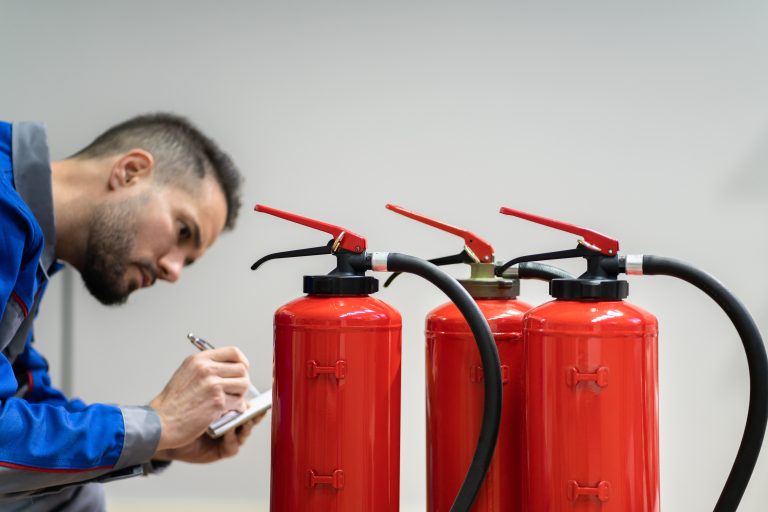
A Fire Risk Assessment (FRA) is a structured review of your building, people and activities to identify hazards, reduce risk and keep you legally compliant. This guide explains what an FRA includes, who can complete it, your duties under the Fire Safety Order 2005, and when to update it.
When it comes to keeping your workplace safe, one of the most important responsibilities you have is understanding and managing the risk of fire. A Fire Risk Assessment (FRA) is the foundation of effective fire safety—and it applies to almost every non‑domestic premises in the UK.
Whether you manage an office, run a factory, operate a residential building, or oversee a community space, knowing what a fire risk assessment is (and what it isn’t) is essential for legal compliance and peace of mind.
What is a Fire Risk Assessment?
A Fire Risk Assessment (FRA) is a structured review of your building, the people in it, and the activities taking place — helping you identify hazards, reduce risk, and stay legally compliant. Its purpose is simple:
To identify fire hazards, assess the level of risk, and put the right measures in place to prevent fire and protect people.
Do I Need a Fire Risk Assessment?
In most cases, yes — if you’re responsible for any non-domestic premises in the UK, you are legally required to have a fire risk assessment in place.
This applies to:
- Employers and business owners
- Landlords and property managers
- Anyone responsible for shared or commercial spaces
Under the Regulatory Reform (Fire Safety) Order 2005, the “Responsible Person” must ensure a suitable and sufficient fire risk assessment is carried out and kept up to date.
You will typically need a fire risk assessment if:
- You run a business (office, shop, warehouse, etc.)
- You manage a building with shared areas (e.g. flats, HMOs)
- You have employees, visitors, or members of the public on site
What does a Fire Risk Assessment look at?
A competent assessor will look at:
- Potential ignition sources
- Storage of dangerous substances
- How fire could spread
- Who may be at risk (including vulnerable groups)
- Escape routes and emergency exits
- Fire alarms, signage, lighting and firefighting equipment
- Existing safety measures and whether they’re adequate
- Staff training, procedures and fire‑safety culture
- What improvements are needed to stay compliant
Who can carry out a Fire Risk Assessment?
Can you carry out a Fire Risk Assessment yourself?
To be able to carry out your own Fire Risk Assessment—you MUST be a competent person.
You must be able to:
- Identify fire hazards and how they could develop
- Assess who is at risk, including vulnerable people
- Evaluate whether existing safety measures are effective
- Recommend suitable improvements
If you are unsure, your assessment may not be considered suitable and sufficient—potentially leaving your business exposed to enforcement action or increased risk.
When should you use a professional Fire Risk Assessor?
Many businesses choose a qualified assessor when:
- They do not have a competent person
- The premises are large, complex or higher risk
- There are multiple escape routes or occupants
- The building includes shared or residential areas (e.g. HMOs)
- You need confidence your FRA will meet legal requirements
- You want to demonstrate compliance to insurers or enforcing authorities
What Is a Competent Person?
A competent person is someone who has knowledge, experience, training and practical understanding needed to identify fire hazards, assess risks and recommend suitable control measures. Under the Fire Safety Order, every organisation must appoint at least one competent person to support fire‑safety duties.
A competent person must be able to:
- Understand fire‑safety law and guidance
- Recognise how buildings, people and processes create risk
- Evaluate hazards and provide proportionate advice
- Stay up to date with industry standards
- Give clear, practical guidance that keeps people safe
Your legal duty under the Regulatory Reform (Fire Safety) Order 2005
The Regulatory Reform (Fire Safety) Order 2005 applies to all non‑domestic premises in England and Wales. It places a legal duty on the Responsible Person—usually the employer, building owner or person in control of the premises—to make sure a suitable and sufficient Fire Risk Assessment (FRA) is carried out.
The Responsible Person must ensure:
- you must have a written Fire Risk Assessment, no matter how many employees you have.
- You must identify fire hazards, people at risk, and the measures needed to reduce or remove those risks.
- You must keep your assessment up to date—especially when your building, staffing or work activities change.
- You must ensure staff receive the right fire‑safety information and training.
- You must put effective fire‑safety arrangements in place and maintain them.
The 5 Main Stages of a Fire Risk Assessment
A structured Fire Risk Assessment follows five key stages. These steps help ensure your premises, people and processes are properly assessed and protected:
- Identify Fire Hazards
Pinpoint anything that could start a fire, fuel a fire or help it spread—such as heat sources, electrical equipment, flammable materials, waste build‑up or poor housekeeping.
- Identify People at Risk
Consider who may be affected in the event of a fire, including employees, visitors, contractors, lone workers, shift workers, and anyone who may need additional assistance (e.g. mobility, sensory or cognitive needs).
- Evaluate, Remove or Reduce Risks
Assess how likely a fire is to occur and what the consequences would be. Then determine what measures can be removed, improved or introduced to make the workplace safer—such as better storage, maintained equipment, improved alarms, or safer processes.
- Record Findings & Create an Action Plan
Document hazards, risk levels and recommended improvements. Assign responsibilities and timescales so actions are clear, measurable and easy to track. This creates a practical roadmap to achieving compliance.
- Review Regularly
A Fire Risk Assessment is a living document. Update it whenever your premises, workforce or activities change—or if any incident, equipment failure or safety concern occurs. Regular reviews ensure your assessment remains accurate and compliant.
When should you update it?
Although there’s no strict legal renewal date, best practice is:
- Annually as a minimum
- Sooner if anything changes (new equipment, layout, processes, staffing, occupancy, or a fire‑safety system failure)
Once you understand the basics of what a Fire Risk Assessment involves, the next step is knowing how often it should be reviewed to stay compliant.
Why Fire Risk Assessments matter
A well-completed, suitable and sufficient FRA:
- Saves lives
- Reduces fire risk
- Protects your business from disruption
- Demonstrates legal compliance
- Supports a positive safety culture
Need a suitable and sufficient FRA? Our IFE‑experienced assessors deliver practical, jargon‑free guidance, clear action plans and full support with your legal duties under the Fire Safety Order. → Contact Safety Forward to book your Fire Risk Assessment.
FAQ’s
Do all businesses need a Fire Risk Assessment?
Yes—most non‑domestic premises require a suitable and sufficient FRA under the Regulatory Reform (Fire Safety) Order 2005. Small, simple workplaces still need one.
Who is the ‘Responsible Person’?
Typically the employer, building owner or person in control of the premises. They must ensure the FRA is completed, acted on and kept up to date.
Can I complete a Fire Risk Assessment myself?
If you’re competent and the premises are simple, you can. Many organisations use a professional assessor to avoid gaps and ensure compliance.
How often should an FRA be reviewed?
At least annually, and sooner after significant changes or any fire‑safety incident. See our full review guide for triggers and best practice.
(Link to your review blog.)
What documents should I keep?
Fire logbook, alarm and emergency lighting test records, extinguisher servicing, staff training records, previous FRA actions, and maintenance certificates.